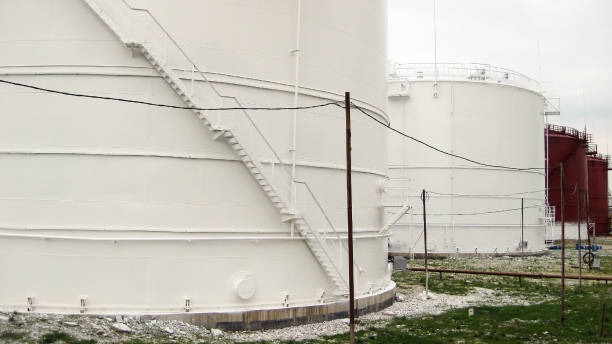
Industrial facilities operate in demanding environments where chemical exposure, moisture, and heavy traffic can damage surfaces over time. Strong containment systems are necessary to protect infrastructure, prevent environmental contamination, and maintain operational efficiency. Professional secondary containment coating contractors help industries build durable protective barriers that resist corrosion and chemical deterioration.
Containment systems are essential for industries handling hazardous liquids and corrosive substances. Facilities such as refineries, manufacturing plants, and storage terminals rely on advanced coatings to reduce structural damage and extend the life of industrial assets.
Why Industrial Containment Coatings Matter
Industrial containment coatings create a sealed layer over concrete and steel surfaces. This protective barrier prevents liquids from penetrating the substrate and causing long-term deterioration. Without proper coatings, industrial surfaces may crack, weaken, or become unsafe.
Many facilities require specialized coating systems that can tolerate aggressive chemicals and extreme environmental conditions. Skilled secondary containment coating contractors identify the right materials based on operational requirements and exposure risks.
Protective coatings also improve cleanliness and simplify maintenance procedures. Smooth coated surfaces are easier to inspect and clean, helping facilities maintain safe working conditions while reducing maintenance downtime.
Importance of Proper Installation
The effectiveness of a containment coating depends heavily on proper installation techniques. Surface preparation is one of the most critical stages of the process because contaminants and surface defects can affect coating adhesion.
Experienced Industrial Containment Lining Installers use specialized equipment to clean, repair, and prepare industrial surfaces before applying coatings. Proper preparation allows the coating system to bond securely and deliver long-lasting protection.
Application procedures vary depending on the selected coating material and environmental conditions. Temperature, humidity, and curing time all influence coating performance. Careful application ensures that the finished system provides complete coverage and chemical resistance.

Benefits of Industrial Containment Systems
Containment coatings offer several operational and financial advantages. One major benefit is protection against corrosion and chemical attack. Industrial spills can quickly damage untreated surfaces, resulting in costly repairs and production delays.
High-performance coatings also improve workplace safety by reducing the risk of leaks and structural failures. Facilities handling hazardous substances must maintain reliable containment systems to protect employees and surrounding environments.
Another important advantage is compliance with environmental regulations. Properly installed containment systems help businesses meet industry requirements and avoid penalties associated with chemical leaks or contamination incidents.
Applications Across Multiple Industries
Containment coatings are widely used in many industrial sectors. Chemical plants rely on protective linings to prevent corrosive substances from damaging containment areas. Power generation facilities use coating systems to protect concrete structures from moisture and chemical exposure.
Wastewater treatment plants also benefit from durable containment coatings because they constantly face wet conditions and corrosive materials. In storage terminals, secondary containment coating contractors install protective systems around tanks and transfer areas to minimize environmental risks.
Industrial flooring systems are another important application. Coated floors can handle heavy equipment traffic, chemical spills, and impact damage more effectively than untreated surfaces.
Selecting the Right Coating Material
Different industrial environments require different coating solutions. Epoxy coatings are commonly selected for strong chemical resistance and durability. Polyurethane systems provide flexibility and impact resistance, making them suitable for dynamic industrial environments.
Industrial Containment Lining Installers evaluate operating conditions carefully before recommending a coating system. Factors such as chemical exposure, temperature fluctuations, and maintenance requirements influence the final selection.
Choosing the correct material improves long-term performance and reduces the likelihood of premature coating failure. A properly selected system helps facilities maintain productivity while lowering maintenance expenses.
Maintenance and Inspection Practices
Regular inspections help ensure that containment systems continue to perform effectively. Industrial environments expose coatings to wear, abrasion, and chemical stress that can gradually reduce performance over time.
Routine maintenance performed by secondary containment coating contractors may include repairing damaged areas, inspecting seams, and applying additional protective layers when necessary. Preventive maintenance extends the service life of containment systems and improves facility safety.
Businesses that prioritize maintenance often experience fewer operational disruptions and lower long-term repair costs. Consistent inspection schedules also help identify issues before they become major structural problems.
Conclusion
Industrial containment coatings are essential for protecting facilities from corrosion, chemical exposure, and environmental damage. Proper installation and maintenance improve operational safety and extend infrastructure lifespan. Skilled Industrial Containment Lining Installers provide the expertise needed to ensure durable and reliable containment systems. By working with experienced secondary containment coating contractors, industries can maintain compliance, reduce maintenance costs, and achieve long-term protection for critical infrastructure.




Leave a Reply